
The Opedia Network
BrakesOpedia
Your guide to trusted brake repair, replacement, inspection, maintenance, safety, and services.
Find Services Near You

Your Guide to Brakes, Brake Services, and Local Repair Options
BrakesOpedia helps you find nearby brake shops, repair services, parts suppliers, and related resources while giving you practical, consumer-friendly guidance on brake inspection, repair, replacement, maintenance, safety, pricing, and value.
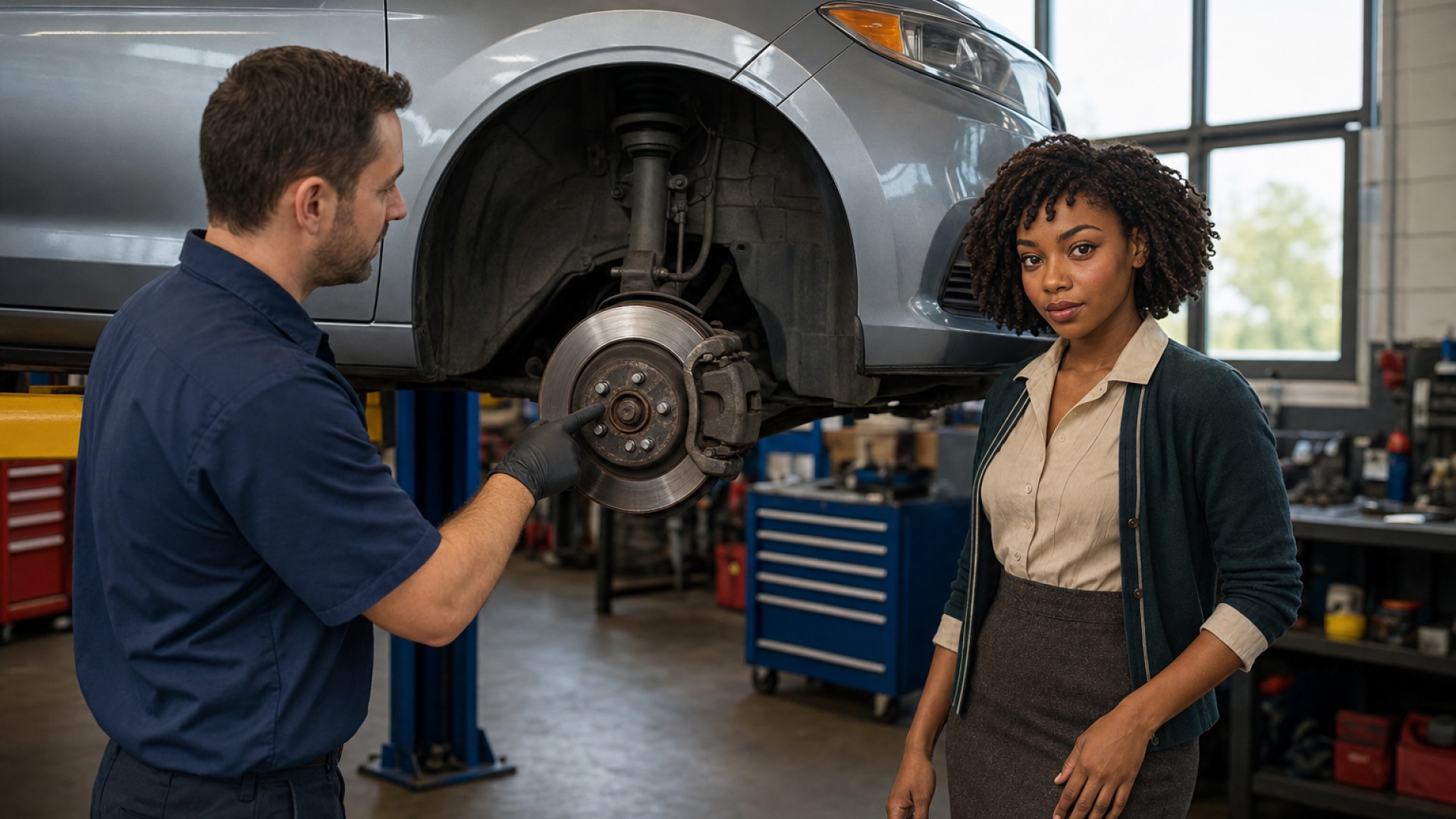
How Do I Know If My Brakes Need Attention?
Brake problems usually announce themselves through sound, feel, smell, vibration, warning lights, or longer stopping distance. Squealing, grinding, pulsing at the pedal, pulling to one side, a soft brake pedal, or a burning smell can all point to issues that should be checked. Some problems are routine maintenance, such as worn pads, while others can affect safety quickly. A good brake inspection should explain what is worn, what is urgent, what can wait, and what the repair will cost before work begins.

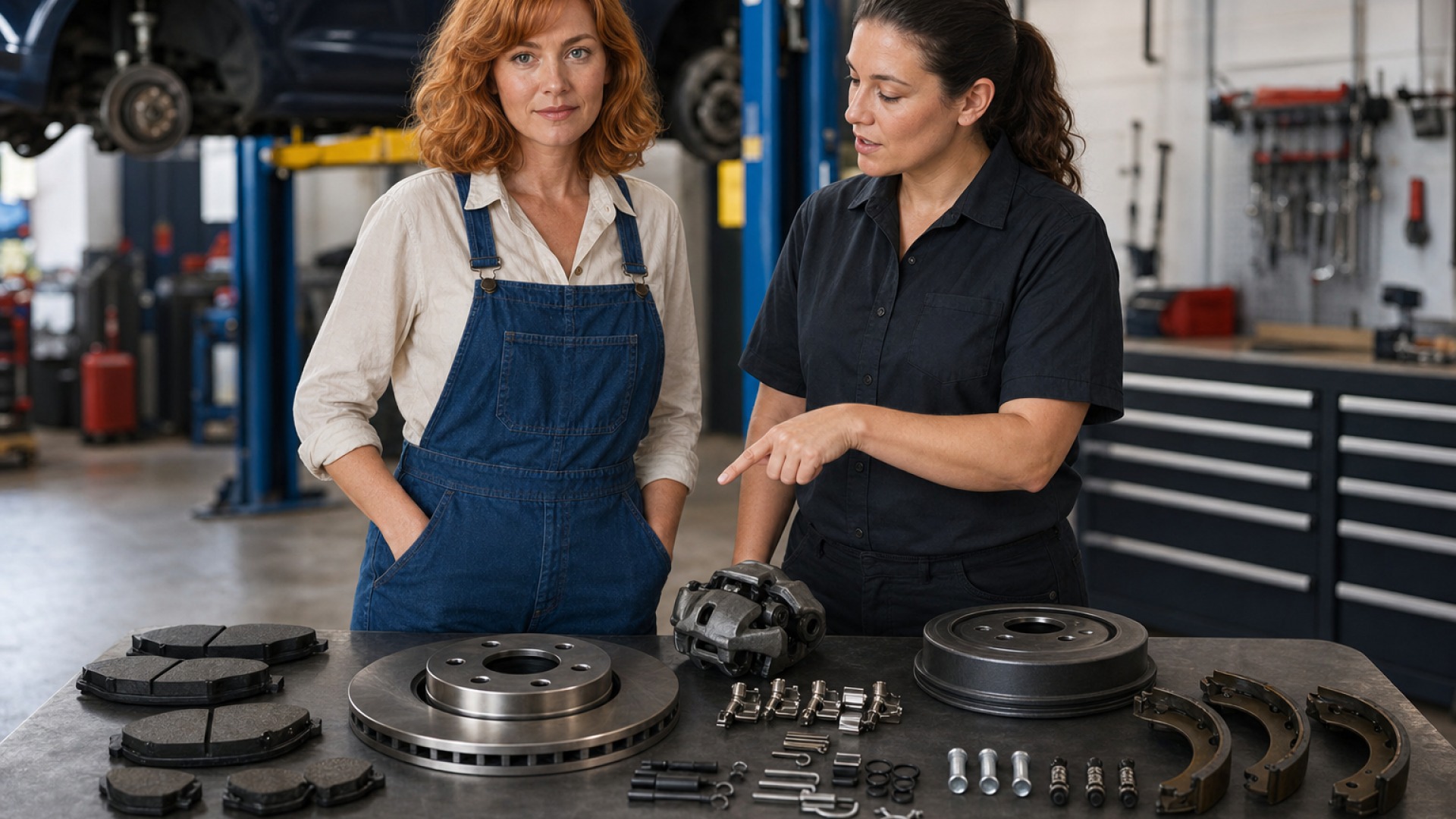
What Do Brake Pads, Rotors, Calipers, Drums, and Shoes Do?
Brake systems use several parts that work together. Pads press against rotors on many modern vehicles. Shoes press inside drums on vehicles with drum brakes. Calipers hold and move pads. Rotors and drums provide the braking surface. Hardware, hoses, fluid, sensors, and parking-brake parts may also matter. BrakesOpedia helps visitors understand the names behind a repair estimate so they can ask better questions and recognize when one worn part may have affected another connected part.

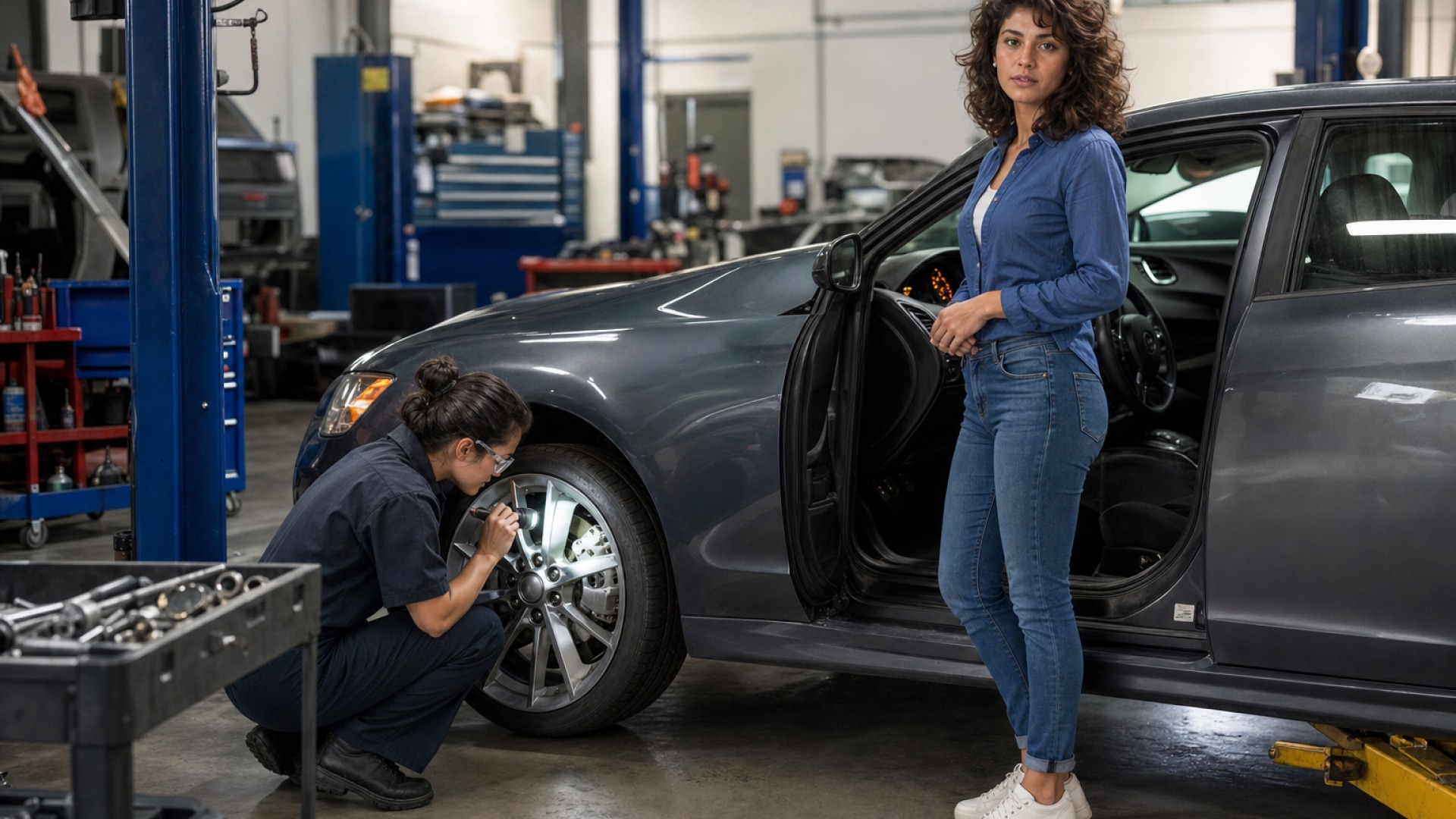
What Do Brake Noises, Vibrations, and Warning Lights Mean?
A squeal may be a wear indicator, glazing, dust, or hardware noise. Grinding can mean brake material is gone and metal is contacting metal. Vibration may point to rotor issues, uneven deposits, suspension concerns, or tire problems. A brake or ABS warning light can involve fluid level, sensors, wiring, hydraulic pressure, or system faults. These clues do not always identify the exact repair, but they are useful reasons to schedule an inspection instead of guessing at parts.

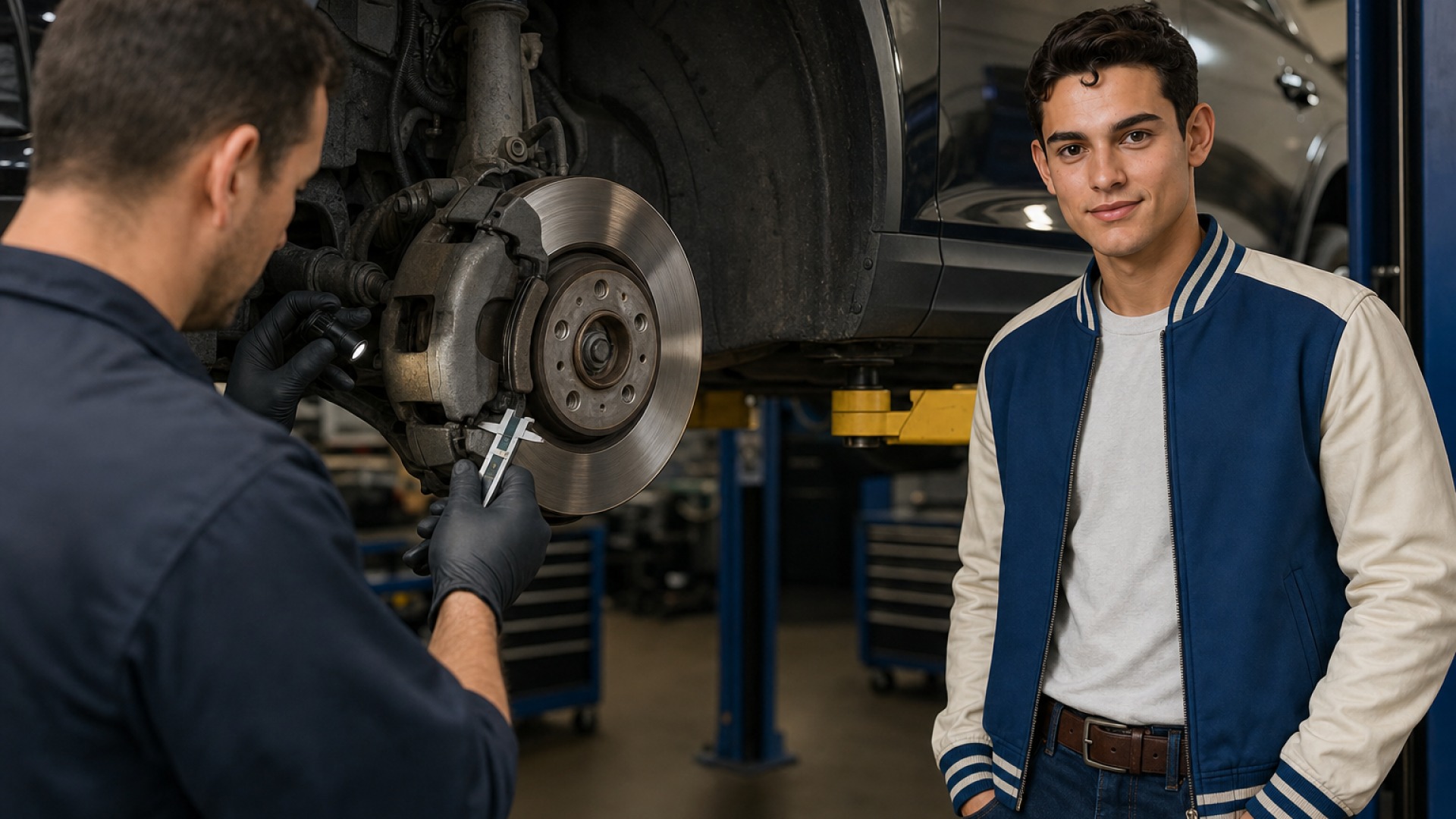
How Often Should Brakes Be Inspected or Replaced?
There is no single mileage number that fits every driver. Brake wear depends on city traffic, hills, towing, vehicle weight, driving habits, road salt, weather, and part quality. Front and rear brakes may wear at different rates. Regular inspections can catch uneven pad wear, rotor damage, fluid concerns, sticking calipers, and other issues before they become more expensive. A good shop should measure, show, and explain the brake condition rather than recommending replacement only by mileage.
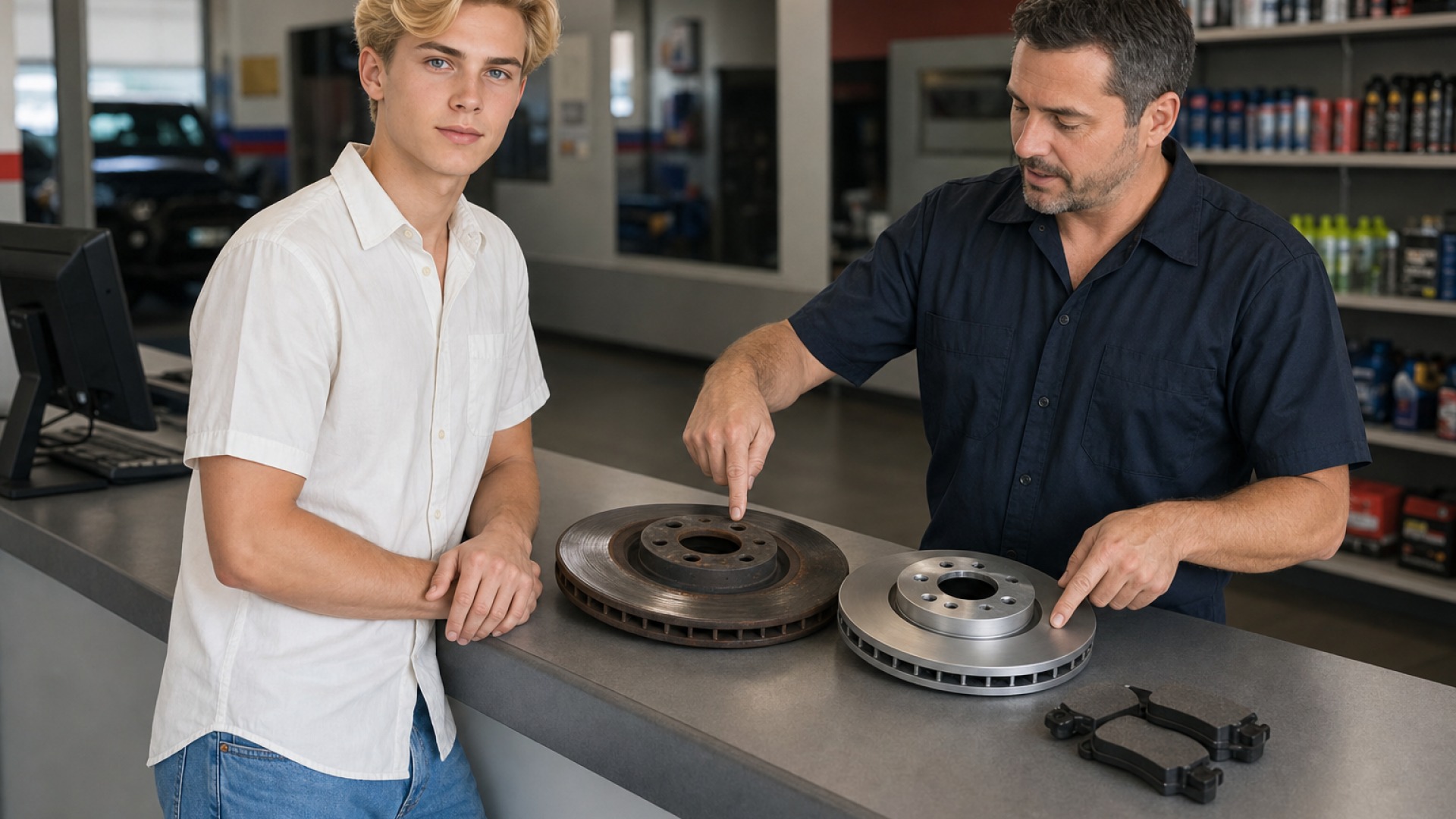
Brake Pads and Rotors — Why Shops Often Recommend Both
Drivers often ask why a brake job includes rotors when the pads are the obvious worn part. Rotors can become too thin, grooved, warped, rusted, overheated, or uneven. New pads installed on damaged rotors may be noisy, vibrate, wear faster, or stop poorly. In some cases rotors can be resurfaced, but many modern rotors are replaced instead. BrakesOpedia helps visitors understand when pads alone may be enough and when rotor service is part of doing the job correctly.
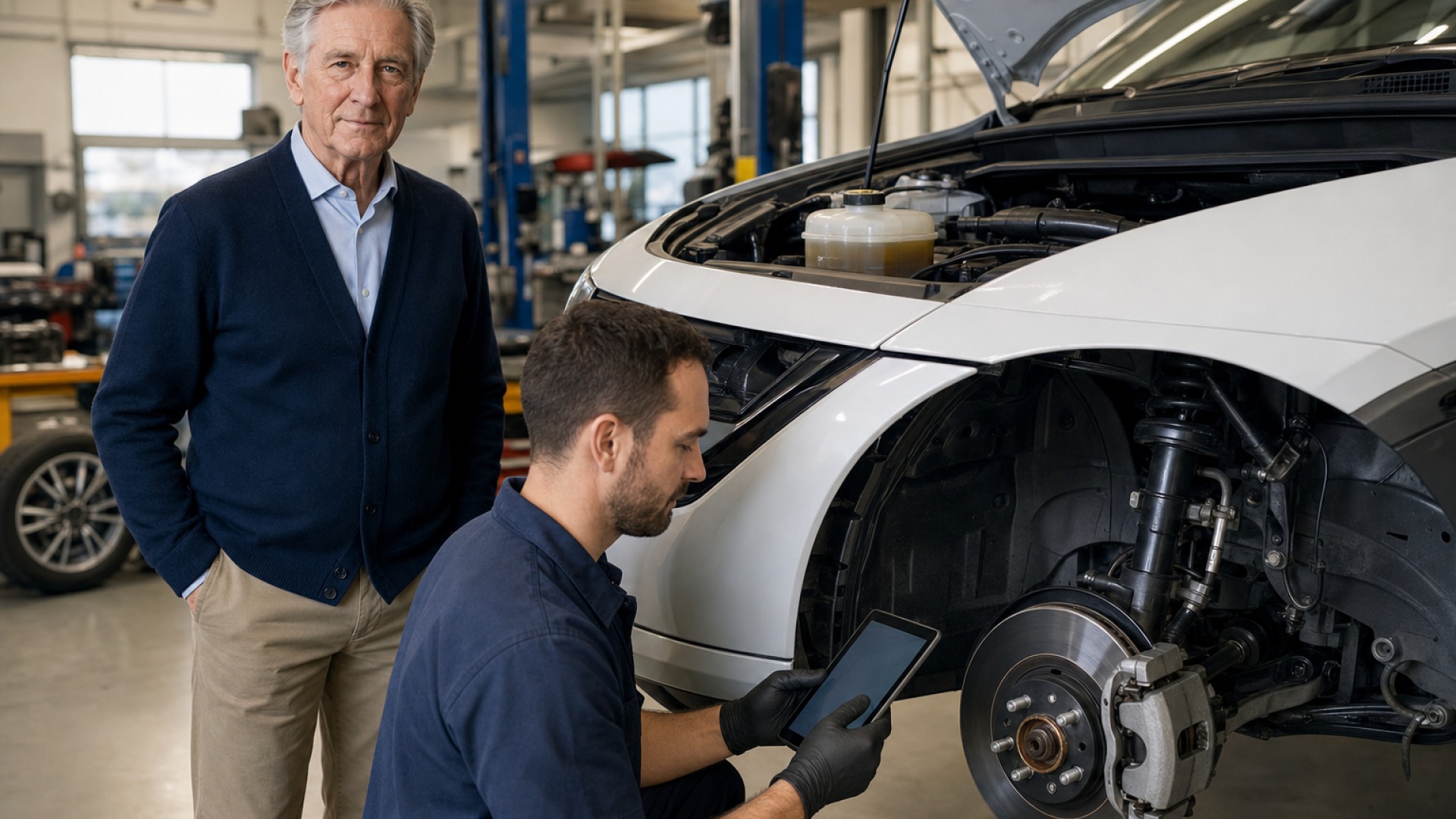
Brake Fluid, ABS, Sensors, and Hydraulic Problems
Modern brake service is not only pads and rotors. Brake fluid transfers pressure through the hydraulic system, and old or contaminated fluid can contribute to problems. ABS helps prevent wheel lockup, while sensors may monitor wheel speed, pad wear, or system faults. A soft pedal, leak, warning light, or intermittent problem may need diagnosis before parts are replaced. Good brake service may include both mechanical inspection and electronic testing so the real cause is addressed.
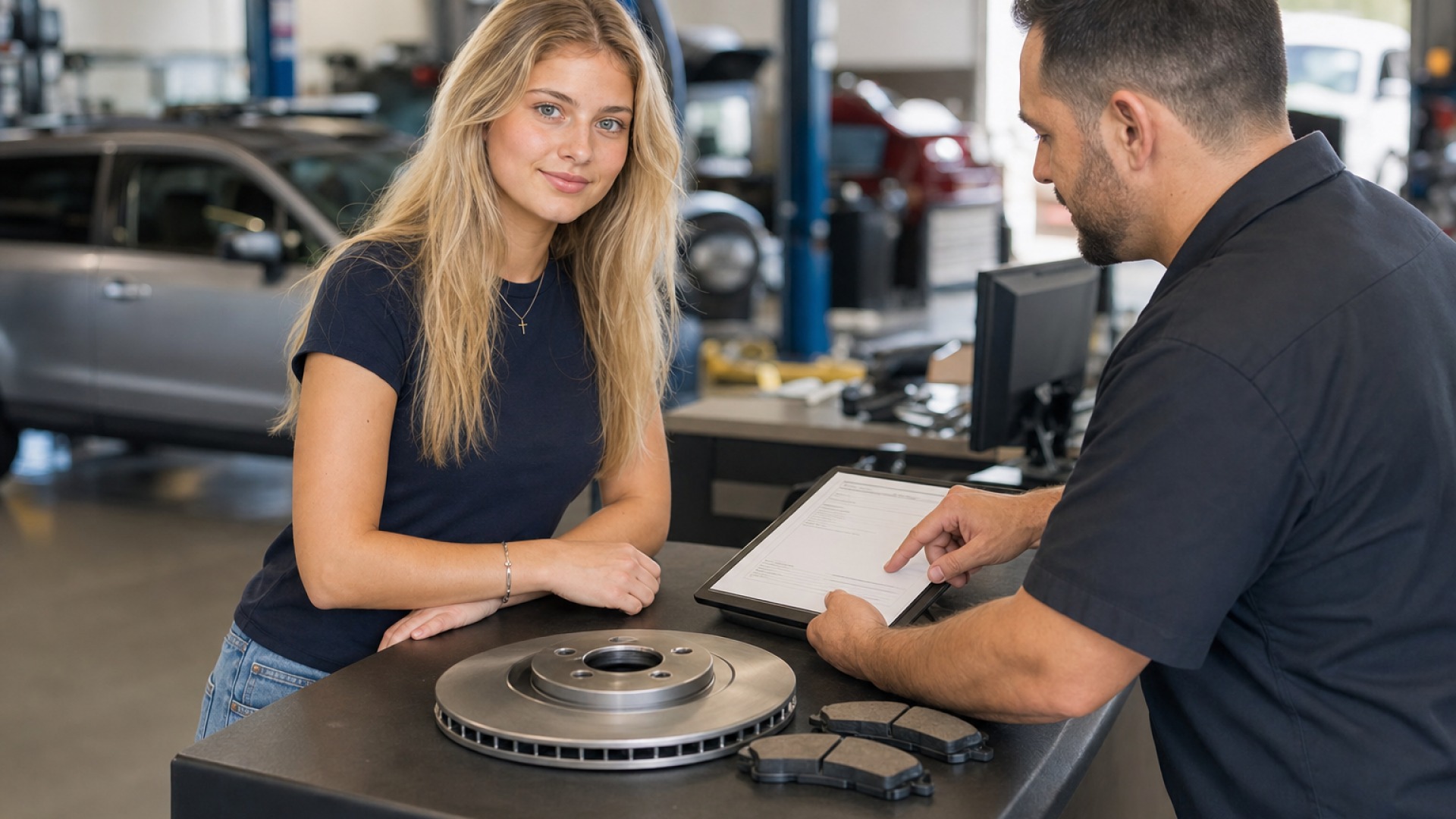
What Should a Fair Brake Estimate Include?
Brake estimates can vary because the job may include pads, rotors, calipers, hardware, brake fluid, sensors, shop supplies, labor, and warranty coverage. A fair estimate should make clear what is being replaced, why it is needed, which parts grade is being used, whether the repair covers one axle or the whole vehicle, and what warranty applies. The lowest number is not always the best value if parts, workmanship, or safety-related details are missing.
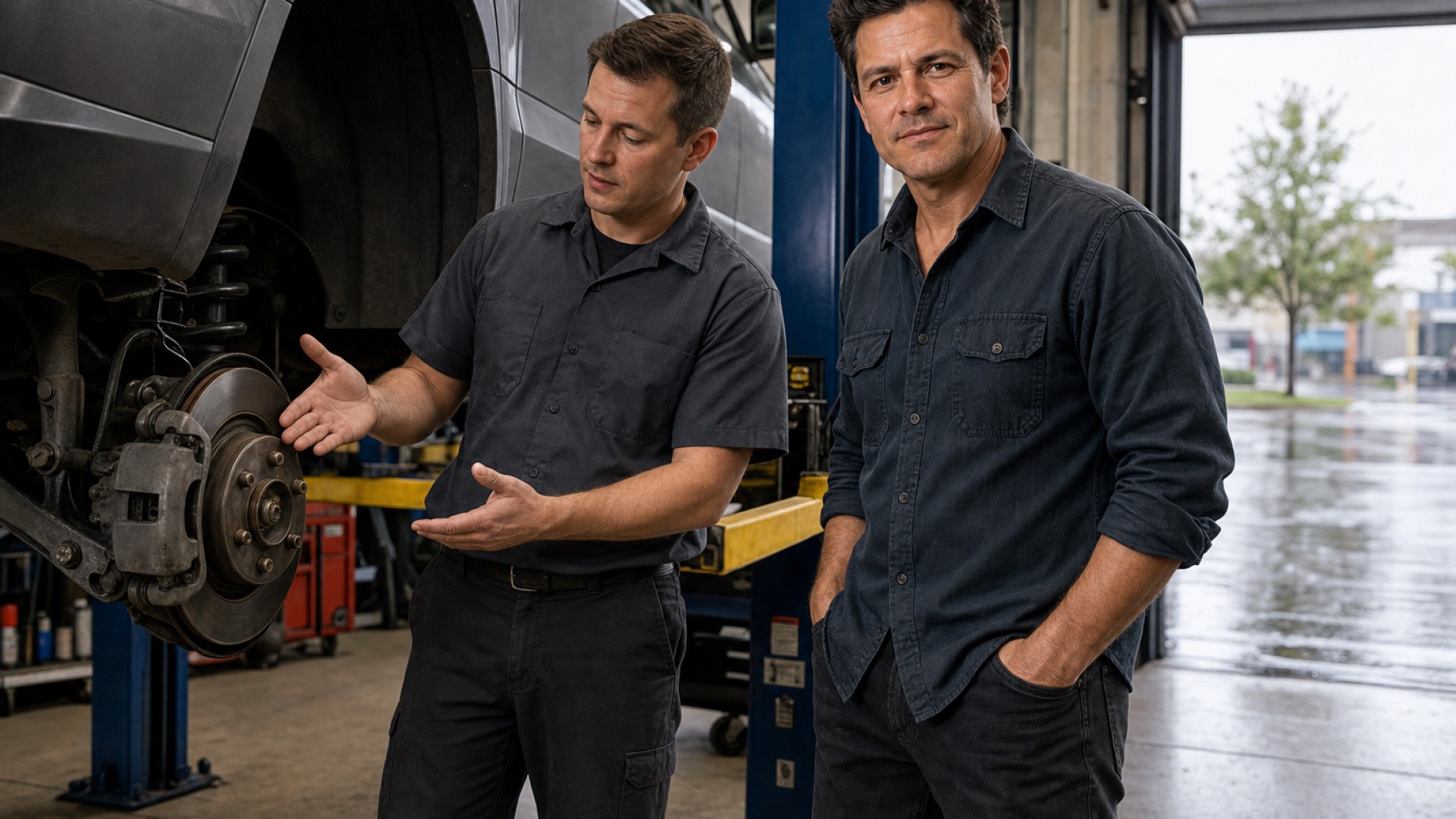
Can I Drive With a Brake Problem? Safety and Stopping Distance
Some brake concerns are minor, but others mean the vehicle should not be driven until inspected. Grinding, fluid leaks, a pedal sinking to the floor, smoke, severe pulling, or a brake warning light with poor pedal feel can be serious. Rain, hills, traffic, towing, worn tires, and heavy loads can make stopping distance worse. BrakesOpedia encourages visitors to treat brake problems as safety questions first, especially before highway trips, mountain driving, or carrying passengers.
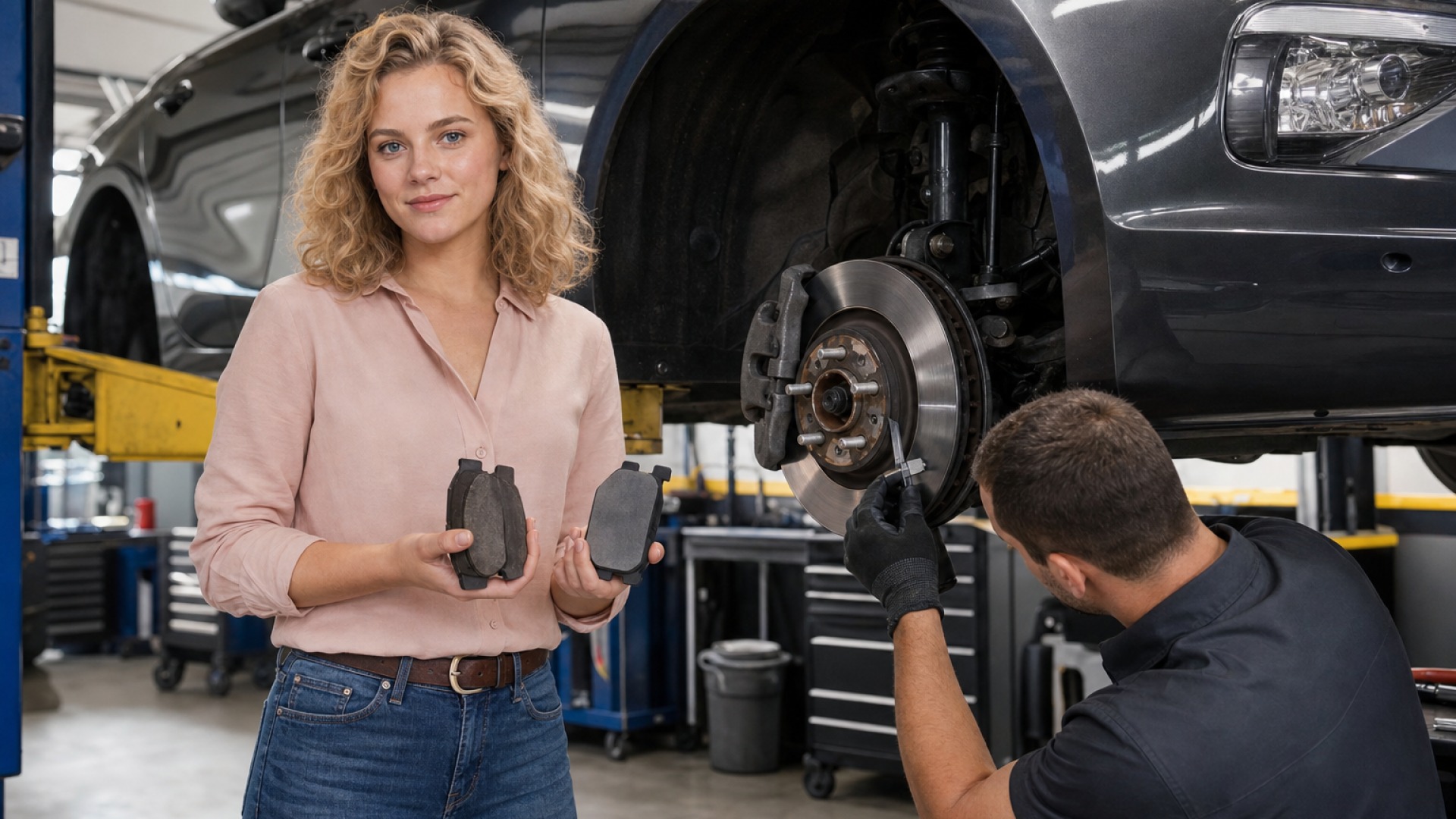
DIY Brake Parts or Professional Brake Service?
Experienced vehicle owners may be able to handle some brake jobs, but brakes leave little room for shortcuts. Correct parts, safe lifting, torque specs, cleaning, lubrication, fluid handling, bedding-in, test driving, and careful inspection all matter. Buying parts yourself can save money, but it may shift responsibility for fit, warranty, and labor risk. BrakesOpedia helps visitors decide when a DIY approach is reasonable and when a professional brake shop is the safer choice.
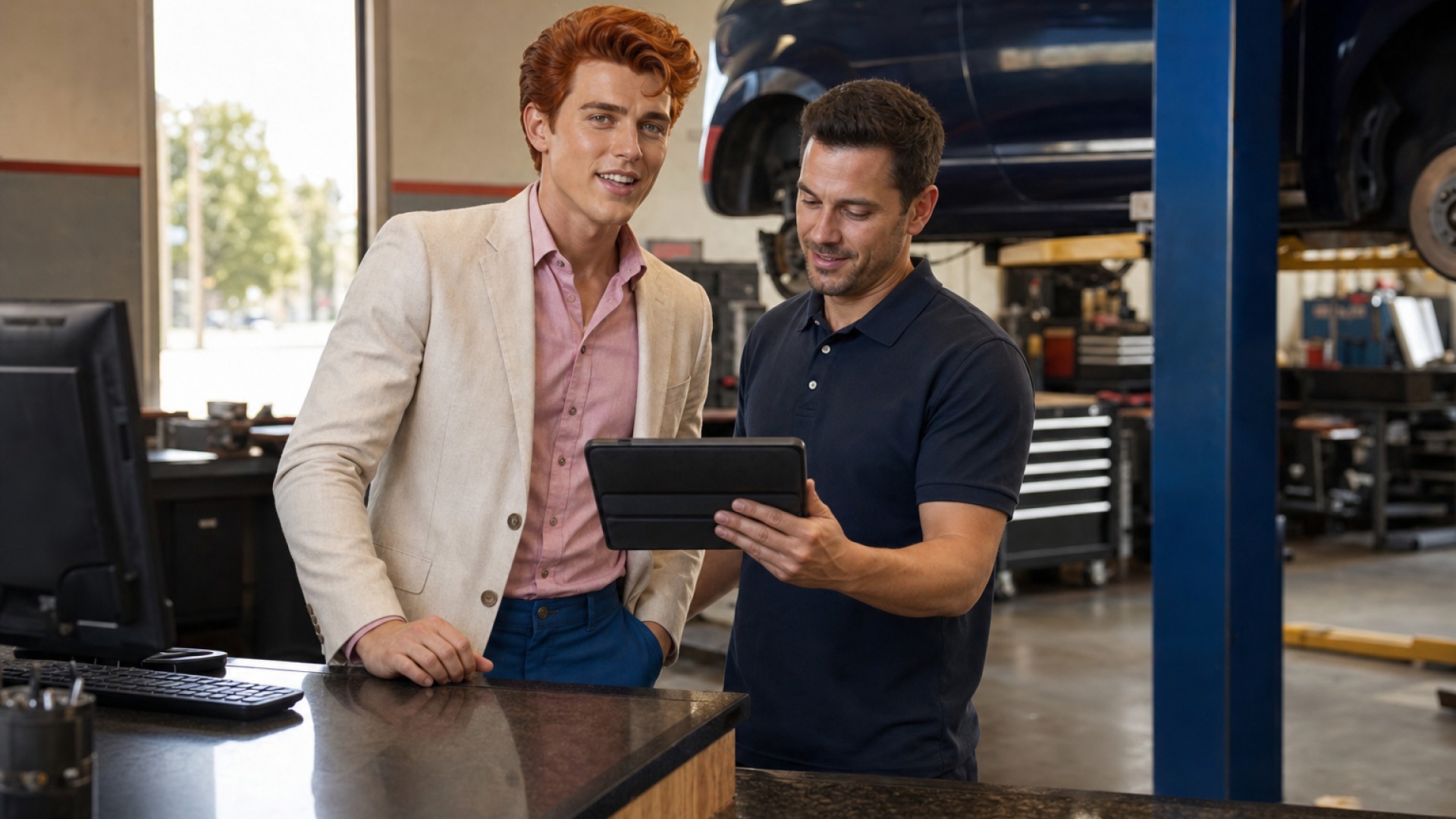
How to Choose a Brake Shop or Brake Service
A good brake shop should inspect before selling, explain findings clearly, show worn parts when practical, provide a written estimate, and answer questions without pressure. Look for details about part quality, rotor condition, hardware, fluid service, warranty, and whether the repair matches the symptom. BrakesOpedia helps visitors compare nearby options by communication, transparency, convenience, reputation, and value—not only by who advertises the cheapest brake special.
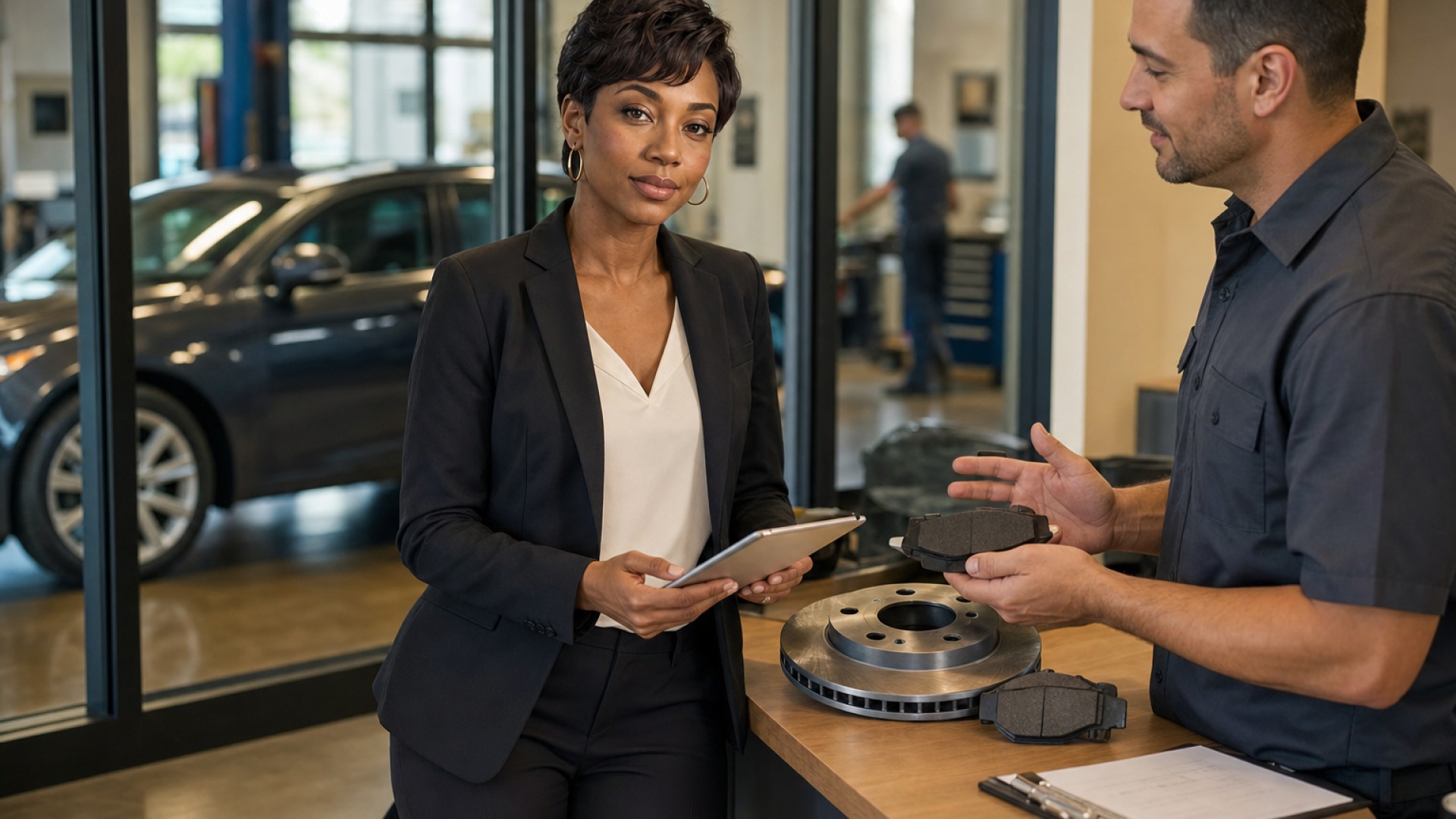
Questions to Ask Before Approving Brake Work
Before approving brake work, ask what was inspected, what parts are worn, how the wear was measured, whether rotors can be reused, which parts grade is included, whether hardware or fluid service is recommended, and what warranty covers the job. Ask what is urgent and what can wait if the estimate is large. BrakesOpedia gives drivers a practical way to talk with a shop confidently without pretending to be brake experts.
For Local Businesses, Content Creators, and Prize Sponsors
Interested in learning how BrakesOpedia and the Opedia Network may help you reach new customers, create new opportunities, or increase your cash flow? Please check all that apply below.